


What are Lighting Design Calculations and Why are They Needed?
03.06.2026
Street Lighting Dimming: How It Works and How Much It Saves
10.07.2026
For industrial enterprises, energy costs are one of the important components of product cost and operating activity. An energy audit helps to obtain a complete picture of resource consumption, identify hidden losses, and determine the most effective ways to improve enterprise energy efficiency and reduce costs.
What Is an Energy Audit in Simple Terms?
An energy audit is a comprehensive assessment of how a building or enterprise consumes energy. During the audit, the main sources of energy consumption are analyzed, resource losses are identified, and opportunities for improving energy efficiency are determined. Based on the results, a list of recommendations is prepared to optimize costs and improve the facility's performance.
The main goal is to identify safety risks, regulatory violations, and modernization opportunities that make it possible to save money. Energy audits assess your overall power usage effectiveness (PUE) or energy use intensity (EUI).
What Tasks Does an Energy Audit Solve?
- Reducing electricity costs
An enterprise energy audit makes it possible to identify inefficient heating, air conditioning, lighting, or thermal insulation systems, helping reduce electricity and utility costs. - Improving building operating conditions
Eliminating problems with heat loss, drafts, or uneven heat distribution creates a more comfortable environment for work and living. - Improving safety level
During the inspection, potential risks may be identified related to the condition of electrical networks, ventilation systems, or other engineering equipment. - Reducing environmental impact
Implementing energy audit recommendations helps reduce energy consumption and lower greenhouse gas emissions, supporting the company’s environmental and ESG initiatives. - Preparing for energy-efficient modernization
An energy consumption audit becomes the basis for implementing modern technologies such as lighting modernization (LED lighting for enterprises), automation systems, and renewable energy sources, including solar power plants.
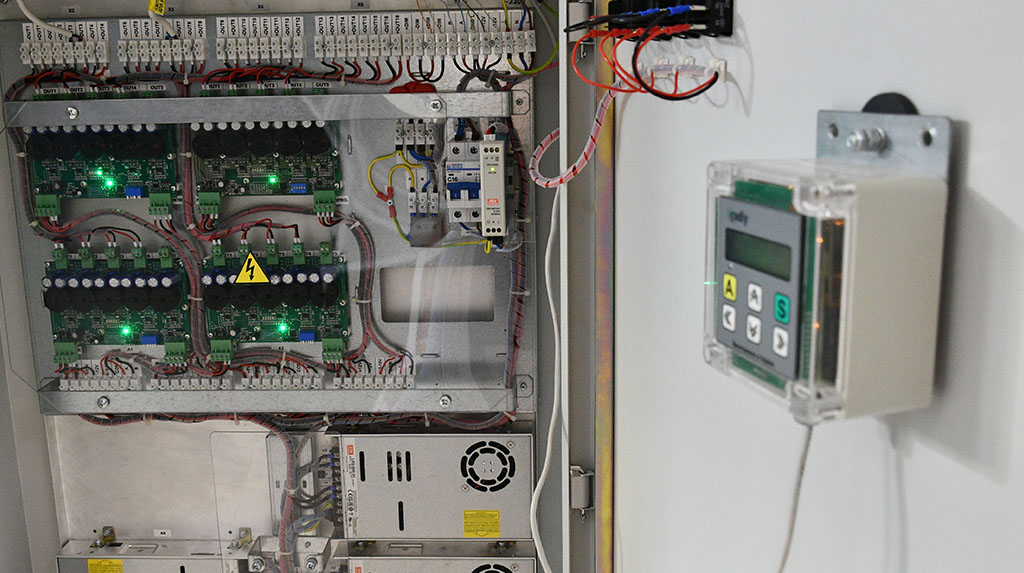
What Is Checked During an Energy Audit?
The first step is to involve qualified specialists to assess the facility's energy consumption. Based on the data obtained, a phased modernization plan can be developed that will save resources, improve energy efficiency, and support the sustainable development of an enterprise or community.
The procedure is regulated by the Law of Ukraine “On Energy Efficiency”, the Law of Ukraine “On Energy Efficiency of Buildings”, Cabinet of Ministers’ Resolution No.589 dated 21.05.2024 on the qualification of energy auditors, Cabinet of Ministers’ Resolution No.54 dated 19.01.2024 on maintaining the database of energy audit reports, and national standards. During an energy audit, specialists assess how an enterprise, building, or facility consumes energy resources and where losses occur. The main goal is to find opportunities to reduce energy costs and improve energy efficiency.
Usually, the following are checked:
- Lighting system (types of luminaires, illumination level, electricity consumption, modernization and automation opportunities).
- Heating, ventilation, and air conditioning (HVAC) systems (equipment efficiency, operating modes, and heat losses).
- Electrical networks and equipment (loads, power quality, network losses, condition of transformers and motors).
- Building thermal insulation (condition of walls, roof, windows, doors, and the presence of thermal bridges).
- Energy resource consumption (analysis of electricity, gas, heat, and other resource bills).
- Automation and dispatching systems (availability of tools for monitoring and managing energy consumption).
- Technological processes (for enterprises: efficiency of production equipment and opportunities to optimize its operation).
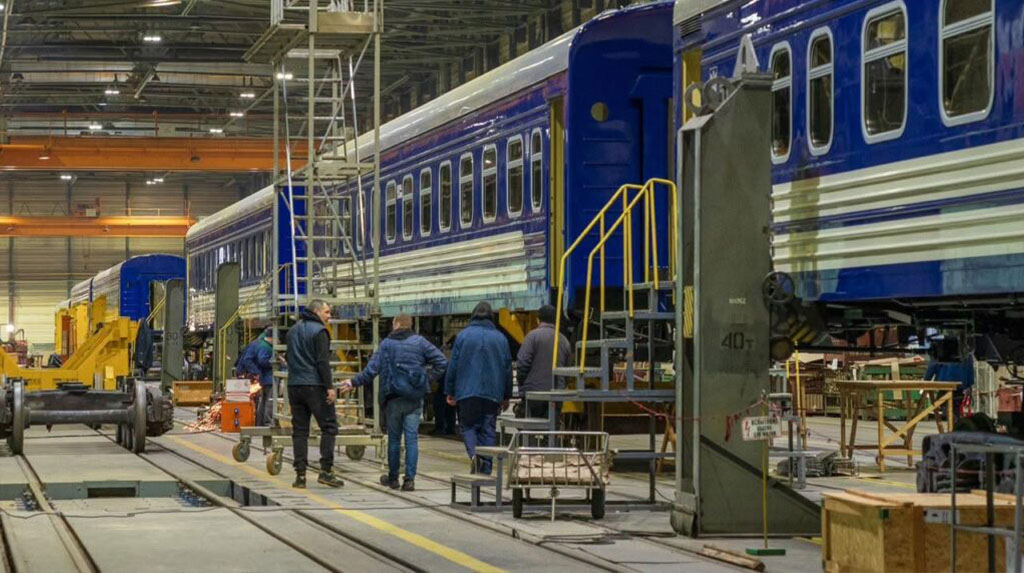
What Savings Can an Enterprise Obtain After an Energy Audit?
Based on the audit results, a report is prepared with energy-saving recommendations, an estimate of potential savings, and payback periods for the proposed measures. Energy management then comes into play, focused on the systematic implementation and control of energy-efficient solutions. For example, replacing outdated lighting with LED solutions and implementing lighting control systems often makes it possible to reduce electricity costs by 50-80%. Many resources explain what LED lighting means for enterprise energy efficiency.
When Is It Worth Conducting an Energy Audit?
The most typical situations are:
- Energy costs are increasing: electricity, heat, or gas bills have started rising sharply without obvious reasons.
- Modernization or reconstruction is planned: before replacing equipment, lighting, or engineering systems, so that investments are justified.
- Old infrastructure: buildings or equipment have been in operation for many years and have already lost efficiency.
- Implementation of energy-efficient technologies: for example, LED lighting, automation, and energy consumption management systems.
- Preparation for certification or standards audits: ISO 50001 or other energy efficiency requirements.
- Non-obvious energy losses: overheating, excessive lighting, or inefficient equipment operation.
- During the design of new facilities: to incorporate efficient energy solutions from the start.
Only certified energy auditors who meet the requirements of existing legislation and have no conflict of interest with the facility are entitled to conduct an energy audit. To order the service, enterprises may contact specialized organizations or specialists whose qualification data are confirmed by the relevant Association of Energy Auditors of Ukraine.