


Environmental Benefits of LED Lighting
26.02.2026
Industrial initiatives by governments worldwide are currently mostly focused on transitioning to reducing the carbon footprint and modernizing infrastructure. More international programs are being developed to support energy efficiency projects in municipalities and regional production facilities.
With rising prices for materials, labor, and energy, cost optimization has become a matter of survival for manufacturing companies. It is no longer enough to reduce costs by cutting staff, limiting overtime, or postponing investments, etc. The key to sustainable savings involves energy transformation, which allows companies to better use existing resources, reduce energy consumption, identify hidden inefficiencies, and turn them into measurable savings.
Why is Energy Optimization Critical for Businesses?
Without systematic monitoring of energy consumption and building systems, companies consume more resources than necessary. Lack of optimization leads to surging energy bills as well as risks to non-compliance with legislative or environmental requirements.
How can companies reduce electricity costs? To optimize energy consumption, businesses should conduct an energy audit, upgrade the energy infrastructire to energy-efficient equipment (such as LED lighting and modern HVAC systems), and implement smart technologies and management systems. Other strategies include improving building insulation, process optimization, and fostering a culture of energy conservation among employees.
Conducting Energy Audit of an Organization
An energy audit is a comprehensive assessment of a company's energy usage designed to identify inefficiencies and savings opportunities. It involves measuring and analyzing how energy is consumed by systems, equipment, and processes to provide a report with actionable recommendations for cost reduction and environmental impact mitigation. These audits improve energy management, lower operating expenses, and are often a regulatory requirement for large enterprises.
Plan of actions
- Assessment & Planning: Conduct an energy audit to get a detailed breakdown of current consumption and pinpoint areas for improvement.
- Implement Energy Management Systems: Utilize sensors, timers, and software to monitor and automatically adjust energy consumption based on real-time demand.
- Set Targets and Monitor Performance: Establish Key Performance Indicators and track progress regularly to ensure continuous improvement.
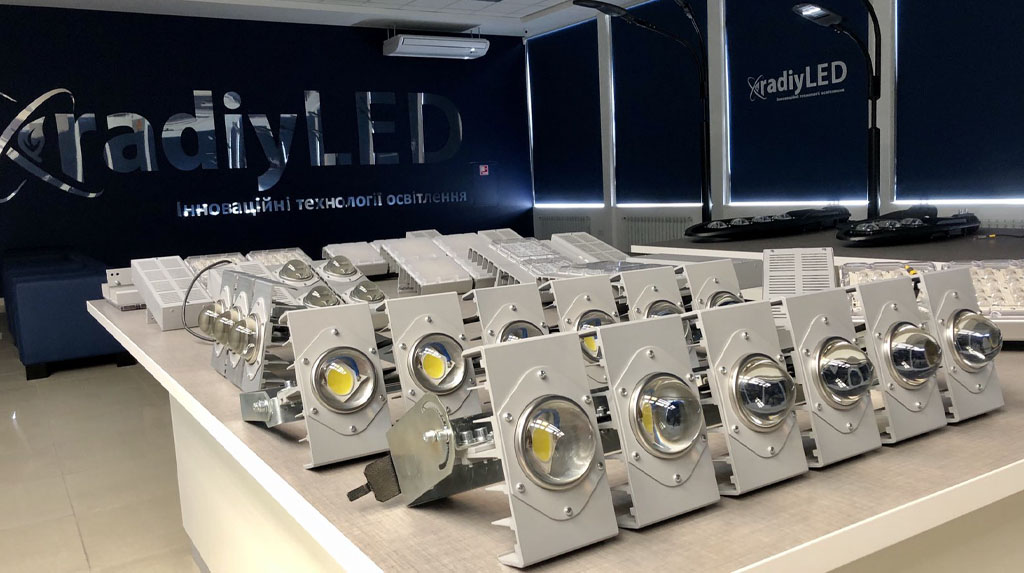
Lighting Optimization: The Fastest Way to Cut Costs
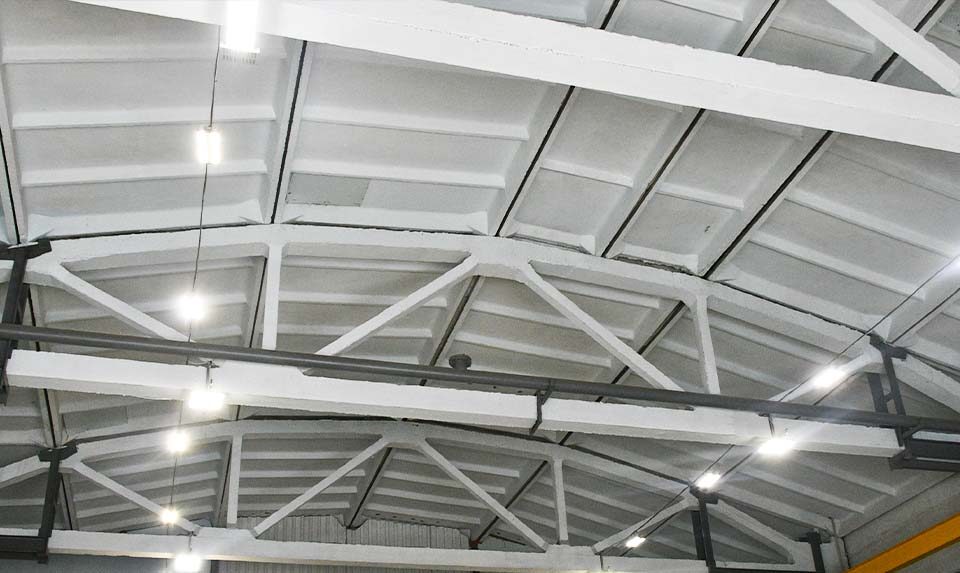
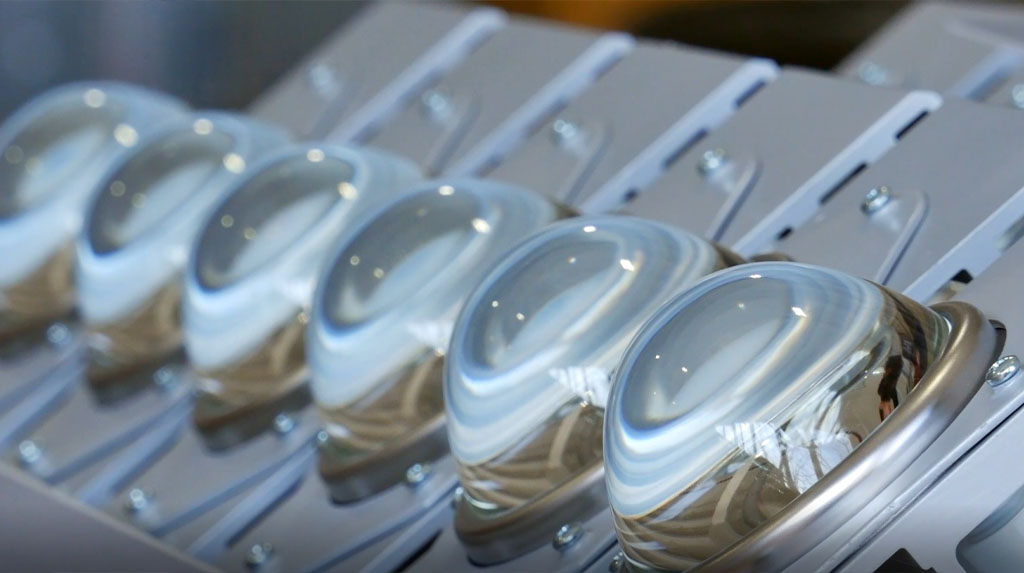
Switching to energy-efficient industrial lighting is one of the quickest wins. LEDs consume only a fraction of the power used by traditional lamps, significantly lowering overall electricity consumption.
Why Do Industrial Enterprises Switch to LED Lighting?
Significant energy savings. LEDs help enterprises reduce electricity costs as they are highly energy-efficient, consuming significantly less electricity than fluorescent, high-pressure sodium, or incandescent lamps. Using LED equipment will noticeably lower electricity bills.
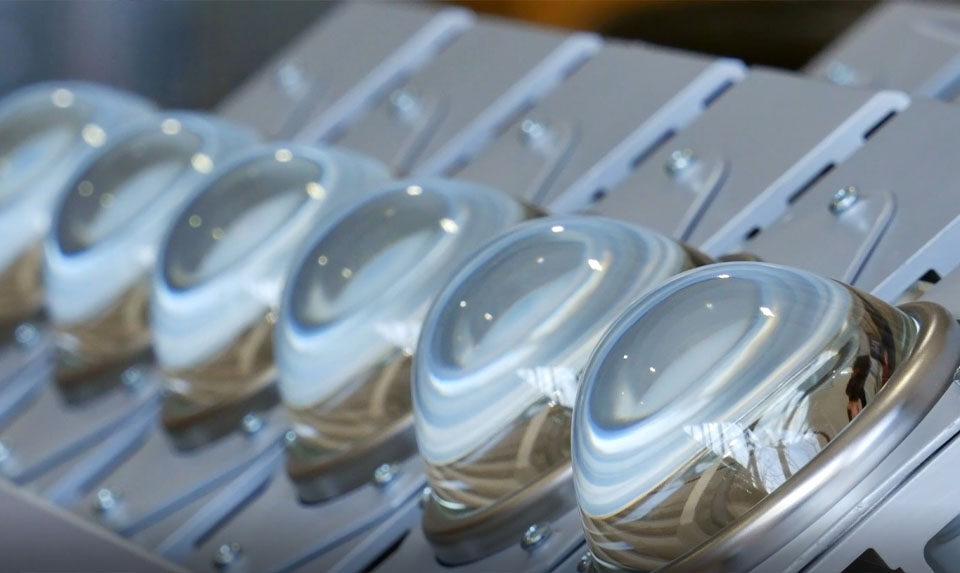
Minimal maintenance time. A high-quality LED luminaire will last 100,000 hours , losing no more than 10-15% of its initial luminous flux. This is equivalent to 11 years of continuous operation or 22 years of operation at 50% load.
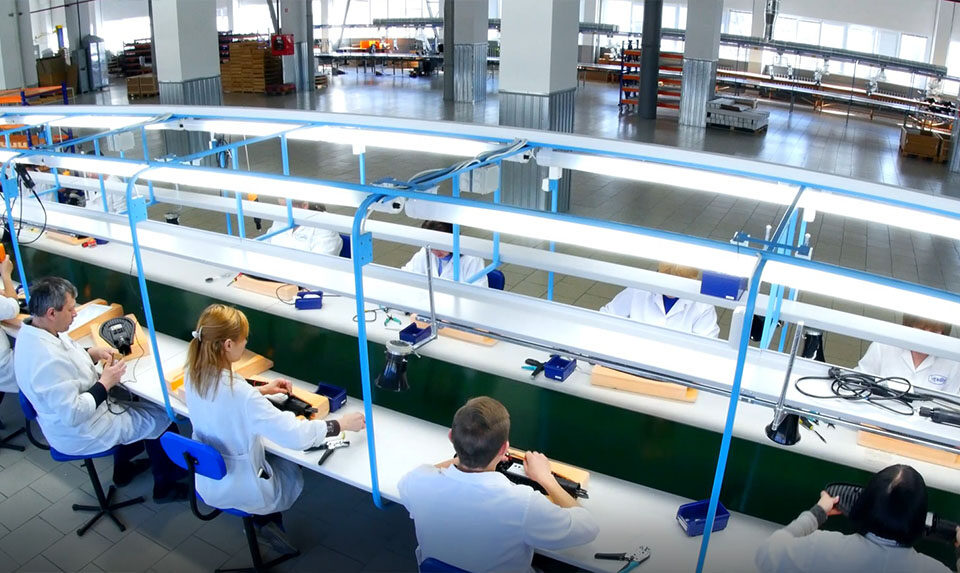
Improved lighting quality and productivity. LEDs provide bright, clear, and uniform lighting, which improves employee visibility and concentration, and can also help reduce accidents and errors.
Increased safety. Better visibility due to improved lighting leads to a safer working environment, helping employees navigate equipment more easily and avoid obstacles.
Therefore, It Is Better to Switch to Energy-Efficient Lighting as Follows:
- Replace old "chaotic" lighting with the incandescent lamps with LED luminaires – the Lighting Management System with innovative software.
- Install motion sensors in low-traffic areas, and use dimming in luminaires.
- Add more natural light: open blinds, install skylights, etc.
Result: Noticeably lower energy consumption and reduced utility bills.
Industrial Equipment Modernization
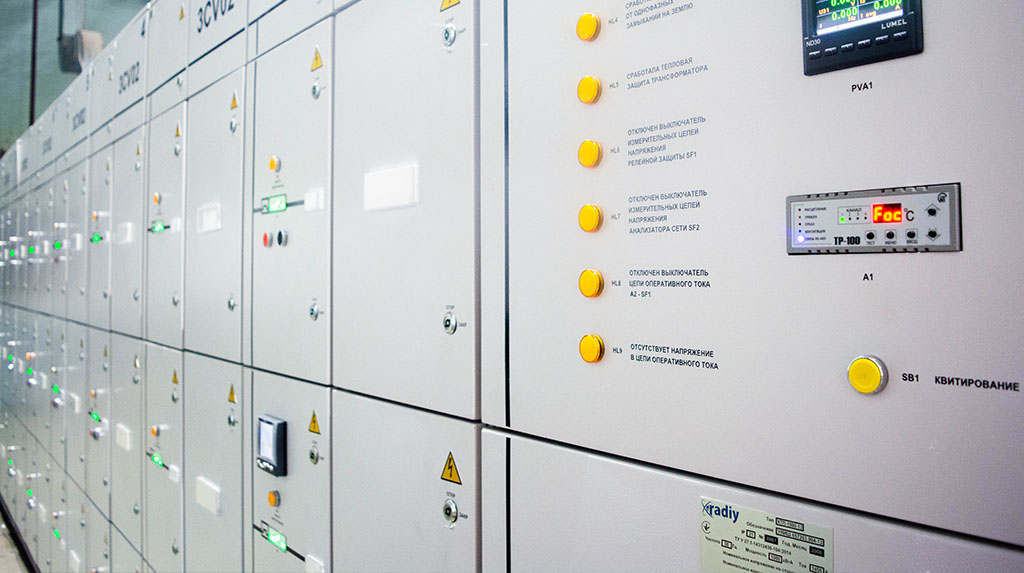
Industrial equipment modernization is necessary to increase its efficiency, productivity, and lifespan, often with lower costs and fewer work interruptions than full replacement.
Key Aspects Include:
- Modernizing automation systems,
- Replacing mechanical and electrical components,
- Improving overall productivity to meet new production requirements and safety standards,
- Re-evaluating processes and implementing new technologies to optimize the entire production system.
Benefits of modernization
Increased efficiency and productivity. Modern components can significantly increase production volume and output.
Cost reduction. Modernization is often cheaper than purchasing new equipment and can lower operational costs.
Extended equipment lifespan. Upgrading components can give existing equipment a "second life."
Improved product quality. Modernization may be necessary to meet new quality standards for the final product.
Increased safety. Equipment modernization helps enterprises adapt to new safety standards and regulations.
Faster implementation. Modernization can be completed faster than full replacement, minimizing downtime.
Retention of "familiar" systems. Operators can continue using familiar systems, reducing the need for expensive and time-consuming retraining.
Implementation of Energy Management
Energy management is a systemic approach to monitoring, controlling, and optimizing energy consumption, aimed at reducing costs and increasing efficiency. It covers both simple measures – bill analysis, using energy-saving equipment – and large-scale solutions: HVAC system modernization, insulation, and implementing renewable energy sources.
Modern energy management programs are based on digital technologies: consumption forecasting software, IoT systems, high-speed analytics, and Big Data provide companies with a deep understanding of energy processes and help make strategic decisions, aligning energy policy with financial and operational goals.
Use of Alternative Energy Sources
Alternative energy sources for industry include solar, wind, hydropower, biomass, geothermal energy, and ocean energy. These alternatives to fossil fuels and nuclear energy provide industry with opportunities to lower energy costs, reduce emissions, and increase sustainability, although each has its own advantages and challenges regarding initial investment, location, and scalability.
Optimization and Energy-Saving Technologies as a Solution
Processes and resource optimization give companies the opportunity to significantly reduce costs, increase efficiency, and ensure sustainable development. Due to equipment modernization, the implementation of energy-saving technologies, digital monitoring, and rational resource management, a business not only saves money but also increases its competitiveness and readiness for future challenges.